
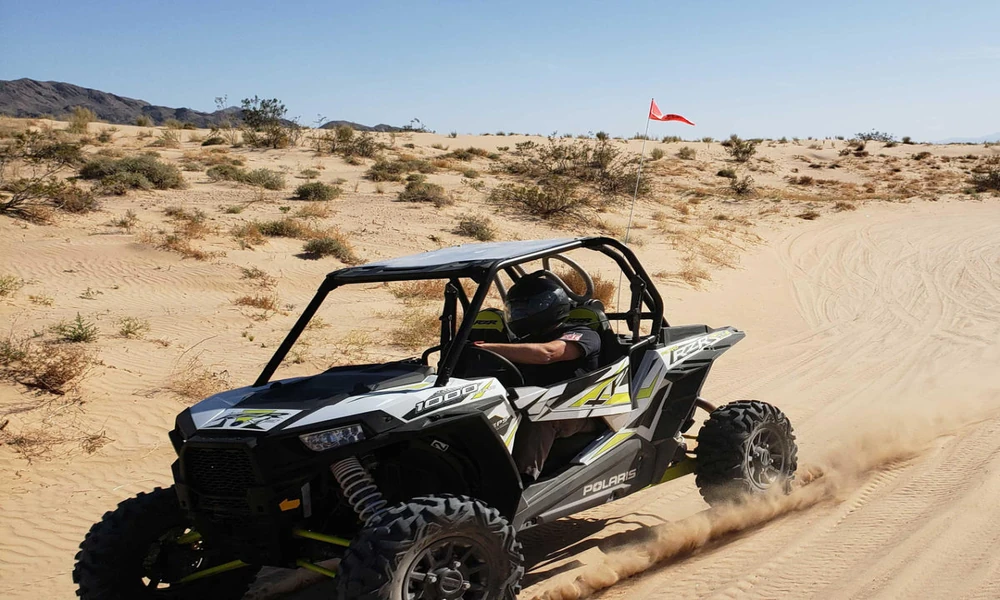
The neon lights of the Strip and the choreographed fountains of the Bellagio are iconic, but they represent only one side of the Nevada experience. For many travelers, the true allure of the Silver State lies in its rugged, untamed landscapes-the red rock formations, vast desert expanses, and dusty trails that offer a stark contrast to the polished luxury of the city.
If you are planning to trade the casino floor for a dusty trail, transitioning from a spectator to an adventurer can feel daunting. Off-road excursions offer a visceral connection to the landscape but require a different mindset than a standard sightseeing tour. To ensure your first excursion is exhilarating rather than stressful, you must understand the logistics, the environment, and the physical demands of desert riding.
Navigating the Desert Terrain
The Nevada desert is a beautiful but unforgiving environment. Unlike paved highways, off-road trails are dynamic; they change with the weather, the season, and recent traffic.
Understanding the Terrain
When you head out for an adventure, you won’t be traveling on smooth asphalt. You will encounter loose sand, gravel, rocky outcrops, and exposed washboard ripples that can cause a vehicle to vibrate violently. You may also encounter deep washes-sunken channels carved by seasonal rainwater-that require careful line selection to avoid high-centering your vehicle. This is why vehicle choice is paramount. Most guided tours utilize All-Terrain Vehicles (ATVs) or Side-by-Side (SxS) vehicles engineered to handle these uneven surfaces. While specialized suspension systems absorb much of the impact, you will still feel the rhythm of the trail through the handlebars or the seat.
Weather and Visibility
The desert climate is characterized by intense sun and rapid temperature shifts. Midday temperatures can push well over 100°F, necessitating immediate electrolyte replenishment to prevent heat exhaustion. Moreover, the fine particulate matter kicked up by a lead vehicle can create a blinding dust wall, reducing visibility to just a few feet in front of your bumper. To manage the transition from midday heat to evening chill, always pack a lightweight, windproof outer shell, as temperatures can drop significantly after sunset. Experienced guides prioritize safety by choosing routes that mitigate these environmental factors, but being aware of the elements is part of the thrill.
Preparing Your Body and Gear
Off-roading is a physical activity. It is not a passive experience; it requires core strength, grip strength, and the stamina to manage the vibrations and steering required to navigate technical sections.
The Importance of Proper Attire
The desert environment is abrasive and dusty. You cannot approach an excursion in casual streetwear.
- Protective Eyewear: This is non-negotiable. Even with a helmet, fine desert silt can reach your eyes. High-quality, sealed goggles are essential to maintain clear vision.
- Footwear: Avoid sandals or lightweight sneakers. You need mid-cut hiking boots or motocross boots with reinforced ankle support to protect against impacts and provide stability in the footpegs.
- Layering: The Mojave Desert can cool down quickly. If your tour extends into the late afternoon, bring a lightweight, breathable layer to protect against the wind.
Managing the Dust Factor
Dust is the primary companion of any off-road enthusiast. It gets into your clothes, skin, and lungs. While professional operators provide helmets and goggles, you will likely be covered in a fine layer of silt by the end of the day. This is a “badge of honor” in the off-road community, but it is best to avoid wearing expensive or delicate clothing for the excursion.
Selecting the Right Experience
Not all off-road adventures are created equal. Your experience depends heavily on the vehicle type and the level of guidance provided.
Guided Tours vs. Solo Riding
For a first-timer, a guided tour is almost always the superior choice. Professional guides possess intimate knowledge of local topography and know where “washouts” or tricky trail sections are located. They also handle navigation, allowing you to focus on the scenery rather than a GPS.
If you are looking to explore the outskirts of the metropolitan area, booking a session with ATV Las Vegas can provide the structured environment necessary to build confidence. These tours often provide the necessary safety briefings and equipment, ensuring that your first encounter with high-speed desert riding is controlled and educational.
Choosing Your Vehicle
- ATVs (Quads): These are traditional four-wheelers where the rider sits on the vehicle. They offer a “connected” feel to the trail, meaning you will feel more of the bumps and turns through your legs and arms.
- Side-by-Sides (UTVs): These are more like miniature off-road cars with a steering wheel and bench seats. They are generally more stable and comfortable, making them an excellent choice for families or those intimidated by the balance required for an ATV.
Final Thoughts for the New Adventurer
The transition from city dweller to desert explorer is a rewarding one. By approaching your first trip with the right gear and a respect for the Nevada landscape, you turn a potentially chaotic experience into a trip highlight.
After your ride, consider visiting the nearby Valley of Fire State Park. Stopping at a viewpoint near the famous red Aztec sandstone formations allows you to appreciate the geology at a slower pace. Finally, remember to deep clean your boots after your outing; the abrasive desert silt can become trapped in tread grooves and may damage footwear or equipment if not rinsed out with a stiff brush.