
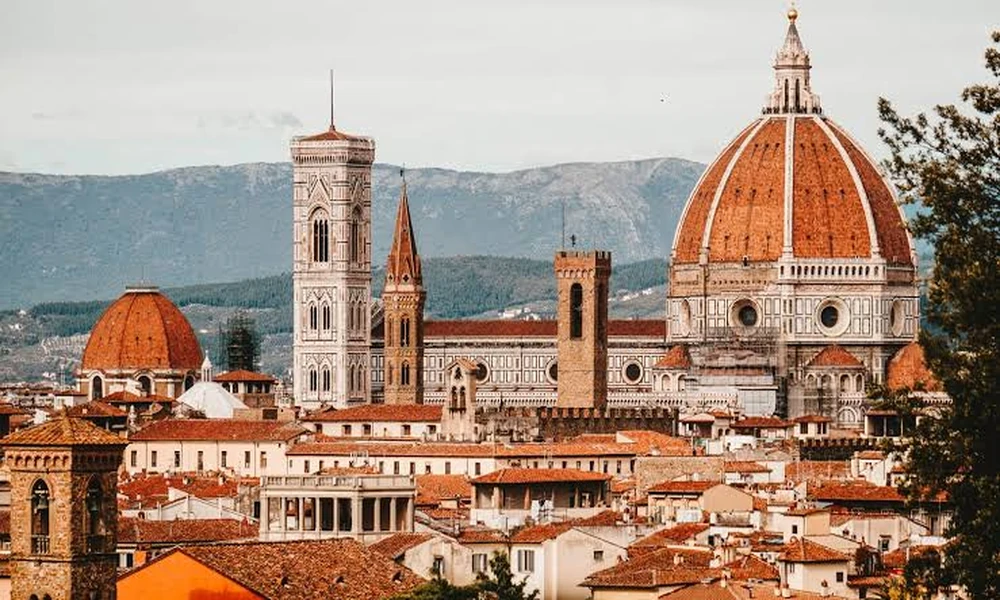
Italy is one of Europe’s most fascinating destinations for religious tourism, offering an extraordinary combination of sacred architecture, pilgrimage traditions, historic towns, and cultural heritage. While major destinations such as Rome and Assisi attract international visitors, many smaller Italian communities preserve equally interesting religious traditions. Exploring these places through slow and sustainable travel allows visitors to discover a more authentic side of the country.
Religious tourism is not limited to travelers who actively practice a particular faith. Historic churches, monasteries, sacred artwork, and pilgrimage routes also attract people interested in architecture, history, craftsmanship, and cultural traditions. By travelling thoughtfully, visitors can appreciate these destinations while supporting the communities responsible for preserving them.
What Is Religious Tourism?
Religious tourism refers to travel motivated wholly or partly by religious beliefs, sacred destinations, spiritual experiences, or interest in religious heritage. It includes traditional pilgrimages as well as cultural visits to churches, monasteries, and historic religious sites.
A pilgrimage generally has a spiritual purpose, although participants may also appreciate the historical and cultural aspects of their journey. Religious heritage tourism can have a broader focus, attracting visitors interested in art, architecture, and local traditions.
Italy is particularly well suited to both forms of travel. Its cities and countryside contain centuries of Christian history, from early religious communities to Renaissance churches and modern pilgrimage destinations.
Religious tourism can also encourage travelers to explore places beyond major tourist centers. Smaller towns often preserve traditions that remain closely connected to everyday community life.
Rome: A Starting Point for Religious Heritage Travel
Rome is one of the world’s most important destinations for Christian heritage tourism. Its historic basilicas, churches, catacombs, and religious monuments offer visitors opportunities to explore different periods of history.
St Peter’s Basilica in Vatican City is among the most recognizable religious landmarks in the world. Its architecture, artwork, and historical significance attract both pilgrims and cultural travelers.
The Basilica of Santa Maria Maggiore and the Basilica of Saint John Lateran are also important destinations. Their interiors reveal the artistic and architectural traditions that shaped Christian Rome.
However, exploring Rome responsibly involves more than visiting famous monuments. Travelers can support local businesses, use public transportation, and visit lesser-known churches to experience the city beyond its busiest attractions.
Spending additional time in individual neighborhoods can create a more rewarding experience than rushing between major landmarks.
Assisi: The Connection Between Spirituality and Nature
Assisi, located in Umbria, is closely associated with Saint Francis and his teachings about humility, simplicity, and the natural world. The town offers an interesting example of how religious heritage can connect with contemporary ideas about responsible tourism.
The Basilica of Saint Francis is one of Assisi’s most important landmarks. Its architecture and artwork provide insight into the development of Franciscan spirituality and medieval Italian culture.
Beyond the basilica, visitors can explore historic streets, smaller churches, and the surrounding Umbrian landscape. These experiences encourage a slower pace of travel.
Walking routes and countryside excursions can complement visits to religious monuments. They provide opportunities to appreciate the relationship between historic settlements and their natural environments.
Assisi is particularly suitable for travelers who prefer meaningful experiences over tightly scheduled sightseeing.
Discovering Italy’s Monastery Traditions
Monasteries have played an important role in Italy’s cultural, agricultural, and religious history. Many communities developed traditions involving manuscript preservation, farming, craftsmanship, and the production of everyday goods.
Some monasteries continue producing food, herbal preparations, soaps, and other products associated with their local traditions. These activities provide an interesting connection between religious heritage and regional craftsmanship.
Travelers interested in these traditions can explore monastery products and religious artisan goods through Holyart. Learning about the origins of traditional products can add another dimension to understanding Italy’s religious communities.
When visiting monasteries, travelers should remember that many remain active places of prayer and community life. Access may be restricted, and visitors should respect opening hours, photography rules, and expectations concerning clothing and behavior.
Where permitted, purchasing locally produced goods can provide direct support to religious communities. However, visitors should verify the origins of products rather than assuming that all monastery-themed merchandise is produced by monks or nuns.
Walking the Via Francigena
The Via Francigena is one of Europe’s historic pilgrimage routes, connecting regions across Europe with Rome. Its Italian sections pass through landscapes, villages, and towns rich in cultural heritage.
Walking part of the route allows travelers to experience destinations at a slower pace. Instead of moving quickly between major attractions, pilgrims encounter smaller communities and everyday rural environments.
The route passes through areas of Tuscany and Lazio, among other regions. Historic settlements, countryside paths, and religious buildings contribute to its appeal.
Travelers do not need to complete the entire route to appreciate the experience. Shorter sections can be incorporated into broader Italian itineraries.
Preparation is essential, particularly for routes involving long walking distances. Visitors should research trail conditions, accommodation, water availability, and seasonal weather before departure.
Exploring Lesser-Known Religious Destinations
Italy’s religious heritage extends far beyond its most famous cities. Smaller destinations often offer opportunities to discover local traditions without the crowds associated with major attractions.
Greccio, in Lazio, is closely connected to Saint Francis and the development of the living nativity tradition. Its Franciscan heritage makes it particularly interesting during the Christmas season.
Loreto, in the Marche region, is another important Catholic pilgrimage destination. The Basilica della Santa Casa attracts visitors interested in Marian devotion and religious history.
Orvieto, in Umbria, is known for its magnificent cathedral and medieval setting. The town offers a combination of religious architecture, artistic heritage, and regional culture.
These destinations can be incorporated into longer journeys through central Italy. Spending time in smaller towns may also help distribute tourism spending beyond major urban centers.
Why Slow Travel Benefits Religious Tourism
Slow travel encourages visitors to spend more time in fewer destinations. Rather than prioritizing the number of attractions visited, it emphasizes deeper engagement with local culture and surroundings.
This approach is particularly appropriate for religious tourism. Churches, monasteries, and pilgrimage sites often have histories that deserve more attention than a brief photograph or hurried visit.
Staying overnight in smaller communities can support local accommodation providers and restaurants. It also creates opportunities to experience destinations outside peak daytime visiting hours.
Walking and public transportation may reduce some travel-related environmental impacts when practical. However, the most suitable transportation choices depend on distance, accessibility, and individual circumstances.
Slow travel can also make itineraries more enjoyable. Allowing time for rest, conversation, and unexpected discoveries often creates richer travel memories.
Respecting Sacred Places and Local Communities
Responsible religious tourism begins with respect for the people and places being visited. Churches and monasteries are not simply historical attractions; many remain active religious spaces.
Visitors should follow dress requirements, maintain appropriate noise levels, and avoid interrupting religious services. Photography restrictions should always be respected.
Local communities may also have traditions that differ from those familiar to international travelers. Learning about these customs before arrival can help prevent misunderstandings.
Supporting local guides and businesses can contribute to the destination’s economy. Guides with knowledge of religious history may also provide valuable cultural context.
Avoid treating sacred ceremonies as performances organized for tourists. Respectful observation allows visitors to appreciate traditions without disrupting their meaning for participants.
Religious Art and Traditional Italian Craftsmanship
Religious tourism also provides an opportunity to explore Italy’s artistic heritage. Sacred paintings, sculptures, mosaics, and architectural details reveal how faith influenced artistic expression over centuries.
Many Italian churches contain important works created by regional artists and workshops. Visiting these sites can help travelers understand the relationship between religious patronage and artistic development.
Traditional craftsmanship remains another interesting aspect of religious culture. Nativity figurines, wooden crucifixes, religious icons, and decorative objects continue to reflect different regional artistic traditions.
Naples is particularly famous for its nativity craftsmanship. The workshops around Via San Gregorio Armeno preserve a distinctive tradition of miniature figures and elaborate scenes.
Purchasing authentic locally produced artwork can support artisans and help preserve specialized skills. Travelers should ask about materials, production methods, and provenance when choosing souvenirs.
Planning a Sustainable Religious Tourism Itinerary
A thoughtful itinerary should balance major religious destinations with smaller towns and opportunities for local experiences. Travelers might begin in Rome before exploring Assisi, Orvieto, or other destinations in central Italy.
Rail travel can be convenient between many Italian cities. However, smaller pilgrimage sites may require local buses, taxis, or additional transportation planning.
Consider visiting outside the busiest holiday periods when possible. Spring and autumn can offer comfortable conditions for walking, although religious celebrations may attract significant numbers of visitors.
Choosing locally operated accommodation and restaurants can help support regional economies. Longer stays may also provide more opportunities to engage with community life.
Before departure, check current opening hours and access arrangements for religious sites. Some locations have limited visiting periods or restrictions during religious ceremonies.
Conclusion
Religious tourism in Italy offers far more than visits to famous churches and pilgrimage landmarks. It provides opportunities to discover historic communities, traditional craftsmanship, sacred artwork, and cultural landscapes shaped by centuries of religious heritage.
By embracing slow travel, respecting local traditions, and exploring lesser-known destinations, visitors can enjoy meaningful experiences while contributing to more responsible tourism. From Rome and Assisi to small monastery communities and historic pilgrimage routes, Italy offers countless opportunities to discover the connection between faith, culture, and place.