
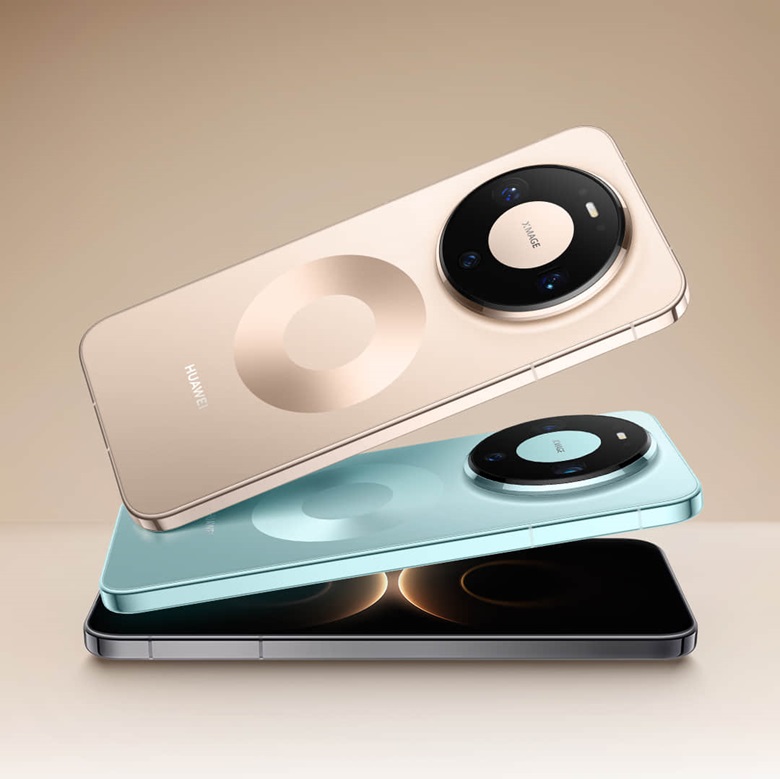
We often get caught up in the numbers game—gigahertz, megapixels, and nits. But at the end of the day, you don’t live with a spec sheet; you live with a device. After spending significant time with the mate 80, it becomes clear that the real magic isn’t in any single hardware component, but in how the software makes that hardware feel “invisible.”
The HarmonyOS “Fluidity” Factor
The first thing you notice when picking up the mate 80 is the lack of friction. With HarmonyOS 6.0, the animations don’t just feel fast; they feel natural. There’s a psychological comfort in a device that responds exactly when you expect it to. Whether you’re swiping through open apps or using the “Super Hub” to drag and drop files between your phone and tablet, everything just flows. It feels like the OS is anticipating your next move rather than just reacting to it.
Visual Comfort in Any Light
We spend hours every day staring at our screens, which is why the display tech in the mate 80 is so important. It’s not just that it’s a 120Hz LTPO panel; it’s the eye-protection tech that really shines. The high-frequency PWM dimming significantly reduces flicker, which is a lifesaver for those of us who like to do a bit of late-night reading in bed. Your eyes don’t feel that familiar “burn” after an hour of use, which is a huge win for long-term health.
A Battery That Actually Keeps Up
The “low battery anxiety” is a real thing, but the 5750 mAh battery in the mate 80 goes a long way toward curing it. Even with heavy use—GPS, some light gaming, and plenty of camera work—I found myself ending the day with 30% or more left in the tank. And when you do need a top-up, the 66W wired and 50W wireless charging mean you’re never tethered to a wall for long. It’s this kind of reliability that builds trust between a user and their device.