
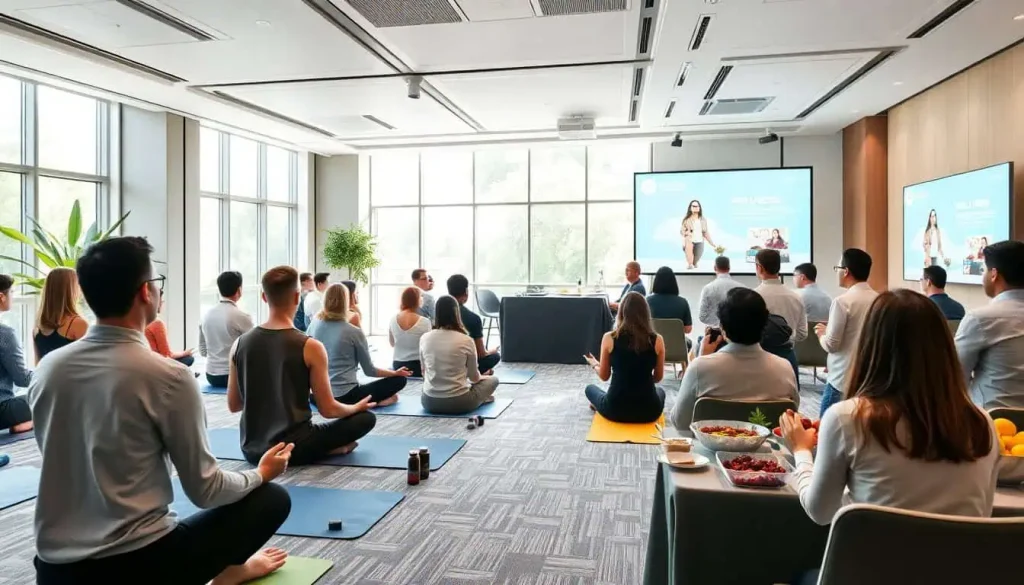
Fresh planning methods are changing how teams gather for shared goals. A well-designed event venue encourages focus while guiding social connection in subtle ways. Organizers now value spaces that support learning and interaction without pressure. Thoughtful layouts help people move easily and feel included during every stage of an event. Flexible surroundings invite creative thinking and steady participation. Many planners look for adaptable settings that quietly support long-term team growth and shared experiences, such as a company outing hotel phuket.
Flexible Space Design Ideas
Modern planners prefer rooms that shift quickly to suit changing needs. Walls that move and seating that adjusts allow smooth transitions between talks and group tasks. This freedom keeps attention steady and reduces wasted time during an event. Smart design choices support both private discussion and open collaboration without confusion. The setting guides behavior gently so people stay active and confident.
Technology-Enhanced Interaction Tools
Carefully chosen tools improve communication and help teams share ideas clearly. Screens with simple controls allow quick presentations and instant feedback during an event. Lighting systems adapt to different moods, which supports focus and energy. Sound management prevents distraction, so conversations stay clear.
Sustainable Venue Planning Methods
Environmental awareness now shapes planning decisions in many organizations. Materials with low impact reduce waste and support responsible management. Energy-saving lighting lowers costs while preserving a bright atmosphere. Reusable decor limits additional and encourages mindful preparation. These choices show respect for shared resources and build trust among participants, especially when planning a company outing hotel phuket that reflects the same sustainable values.
Wellness Focused Gathering Environments
Organizers increasingly value surroundings that support mental clarity and physical ease. Open-air sections allow gentle movement and relaxed breathing during breaks. Quiet corners help individuals reset before returning to group activity. Natural light supports alertness and a steady mood throughout an event. Balanced surroundings encourage calm thinking and respectful interaction.
Collaborative Layout Planning Strategies
Strong layout planning directs attention and builds shared purpose across teams. Seating circles promote equality and invite honest discussion without hierarchy. Clear walking paths reduce crowding and support safe movement at every event. Visual markers guide groups toward tasks with minimal instruction. A well-ordered plan builds confidence and steady rhythm.
- Circular seating encourages equal voice and balanced participation across diverse groups
- Clear signage supports smooth navigation and reduces confusion during active sessions
- Adjustable lighting improves focus and maintains steady attention throughout long meetings
- Shared tables promote teamwork and inspire cooperative thinking among participants
- Open pathways allow safe movement and protect calm flow during gatherings
Careful planning brings stronger results when spaces match human needs. Thoughtful structure guides behavior and improves cooperation across teams. Managers should select settings that encourage clarity while supporting health and shared respect. By aligning layout tools and responsible choices, organizations can strengthen trust and productivity.
FAQ
What qualities define a strong space for professional group engagement today?
A strong space supports flexibility, clarity, cooperation, and steady participant focus.
Why does layout planning influence teamwork during organized group engagement sessions?
Layout planning guides movement, communication, balance, and shared responsibility among participants.
How can organizations improve participation using modern gathering environment strategies?
They improve participation by aligning design tools, comfort, and mindful coordination.